
Celestial Gallery
3I/ATLAS: The Third Confirmed Interstellar Visitor Crossing the Solar System
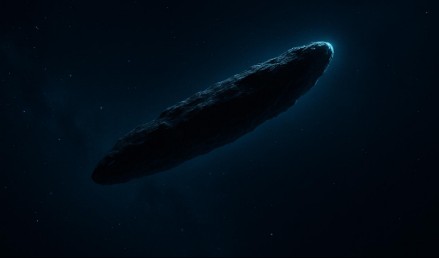
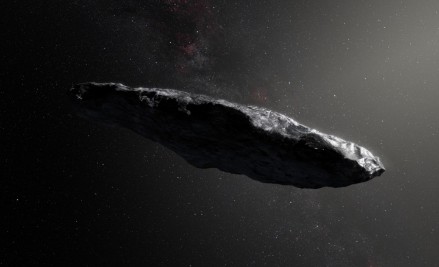
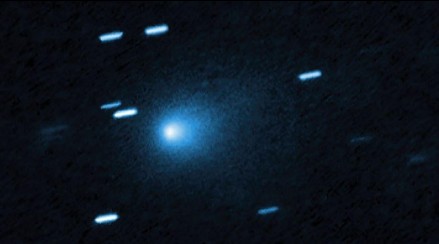
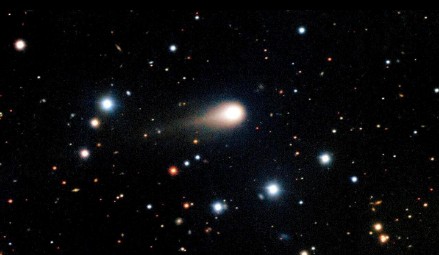
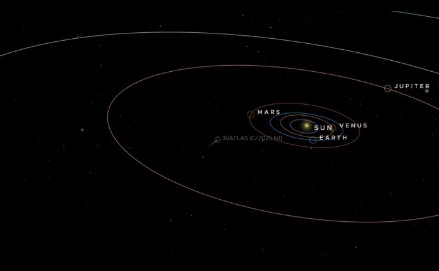
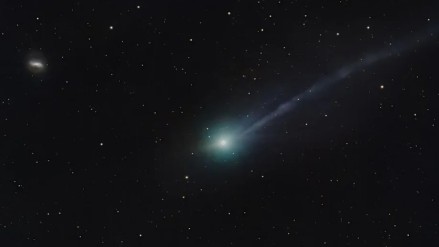
3I/ATLAS is an interstellar object—a celestial body that did not originate inside our Solar System but instead travelled through the vast space between stars before entering our cosmic neighborhood. It became recognized as the third confirmed interstellar visitor discovered by astronomers after 1I/'Oumuamua (2017) and 2I/Borisov (2019). Unlike ordinary comets that orbit the Sun repeatedly, 3I/ATLAS follows a hyperbolic trajectory, meaning it is moving too fast to remain gravitationally bound to the Solar System. After completing its passage near the Sun, it will continue its journey into deep interstellar space.
Objects like 3I/ATLAS are scientifically extraordinary because they act as natural samples from distant stellar systems. Studying such visitors allows astronomers to investigate how planets and small bodies may form around stars other than our Sun. Example: Imagine picking up a stone that drifted into your garden from another continent without ever travelling there yourself—that is similar to studying an interstellar object.
Discovery and Detection
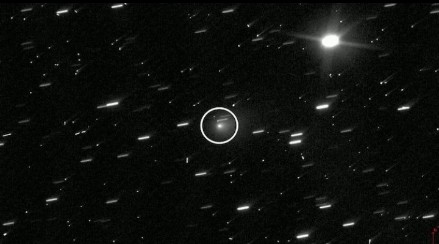
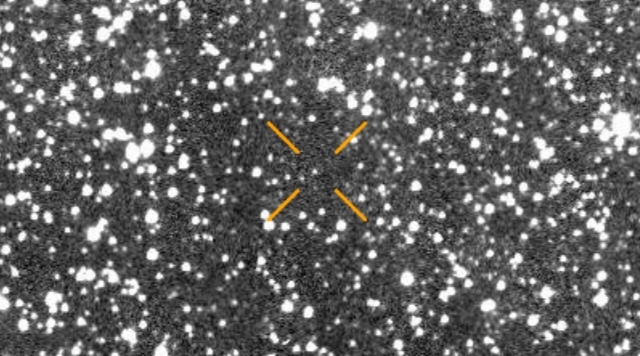
3I/ATLAS was identified through observations performed by the Asteroid Terrestrial-impact Last Alert System (ATLAS), a survey network designed to continuously scan the sky for moving astronomical objects. Astronomers noticed that the object’s velocity, incoming direction, and orbital shape differed significantly from ordinary Solar System bodies.
Detailed orbital calculations demonstrated that the object possesses an eccentricity greater than 1, confirming that it follows an open path instead of a closed orbit around the Sun. This discovery highlights how modern sky surveys can detect extremely rare objects moving across millions of kilometers of space.
Physical Characteristics
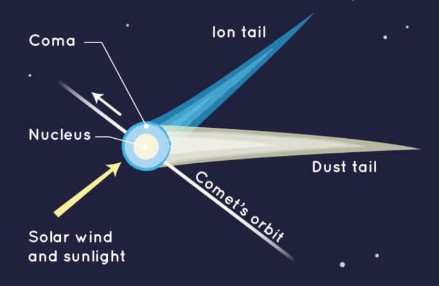
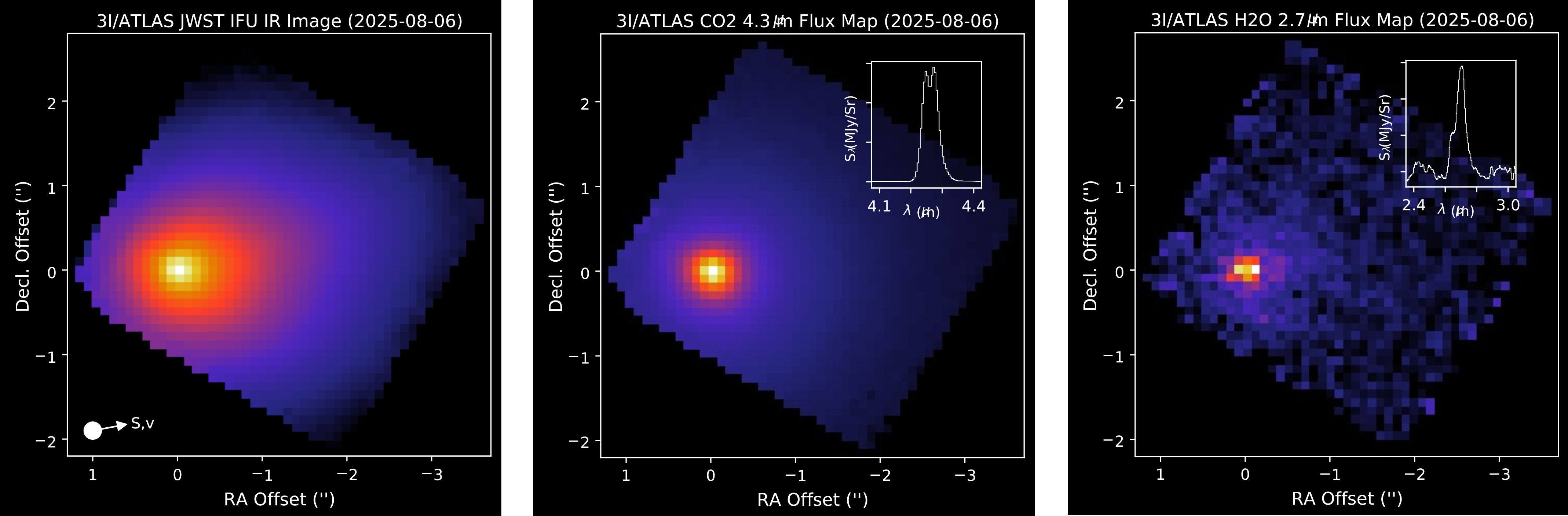
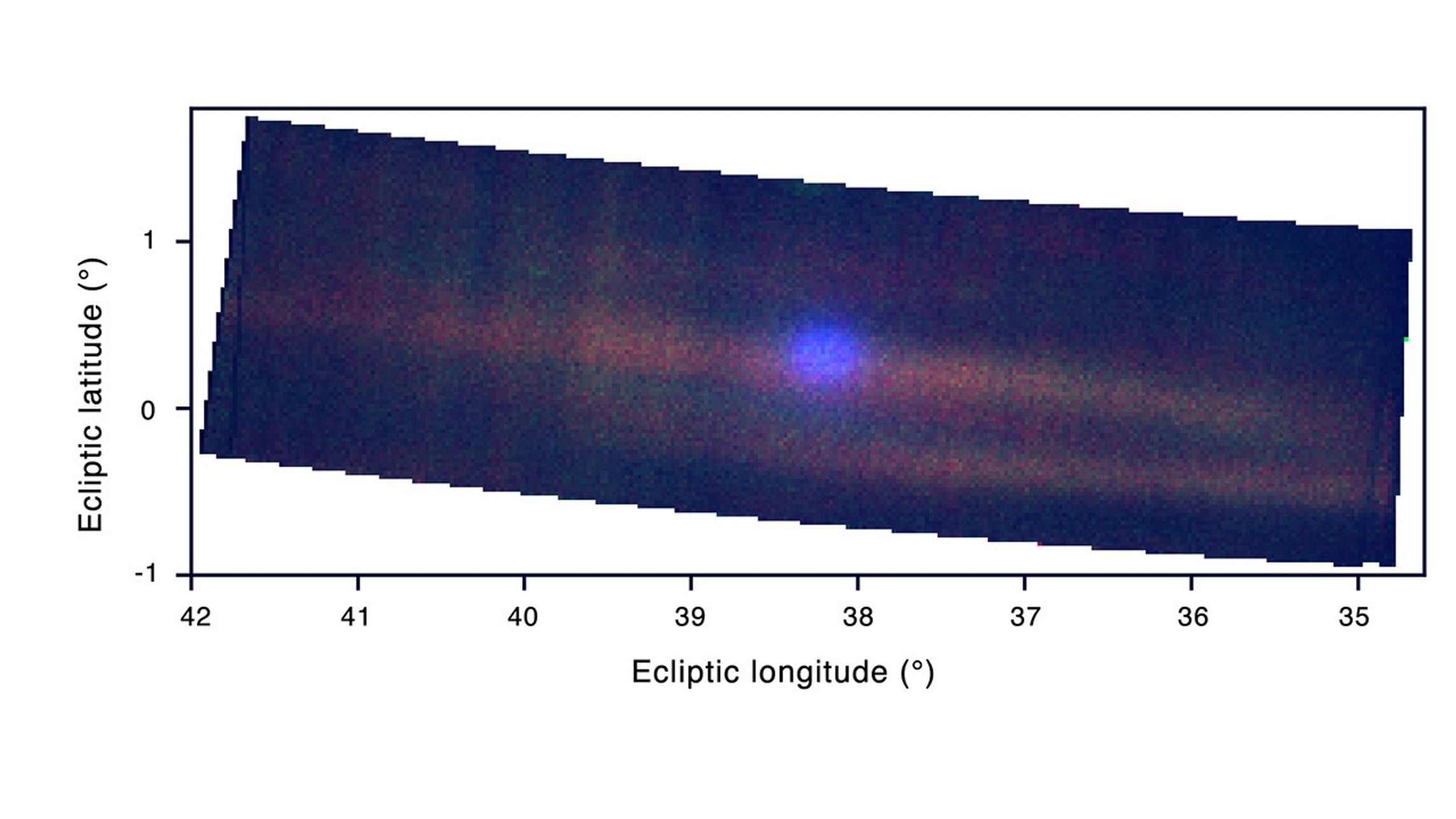
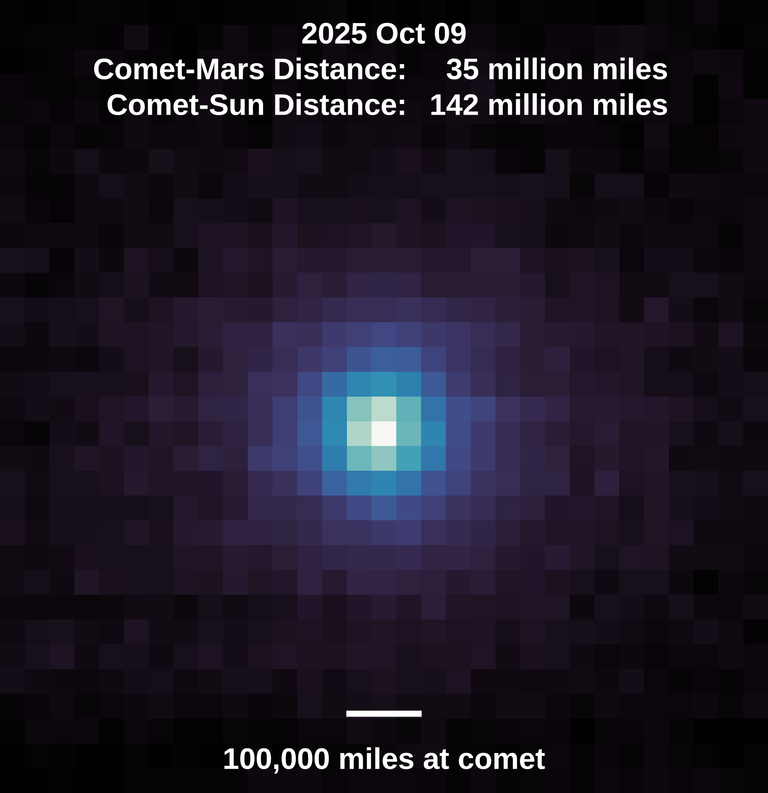
The exact physical properties of 3I/ATLAS continue to be investigated using telescopes and spectroscopic observations. Scientists attempt to determine whether it behaves more similarly to a comet, which releases gas and dust, or an asteroid, which remains relatively inactive.
- Origin: Interstellar Space
- Orbit:
Hyperbolic Escape Path
A trajectory where an object has enough energy to permanently leave the Solar System. - Category: Interstellar Object
- Composition: Under Active Investigation
Measurements of brightness, surface activity, and reflected light may reveal information about the object's structure and composition. Example: If spectral analysis detects water ice, methane, or carbon compounds, scientists can compare them with Solar System comets to identify similarities and differences between stellar systems.
Trajectory
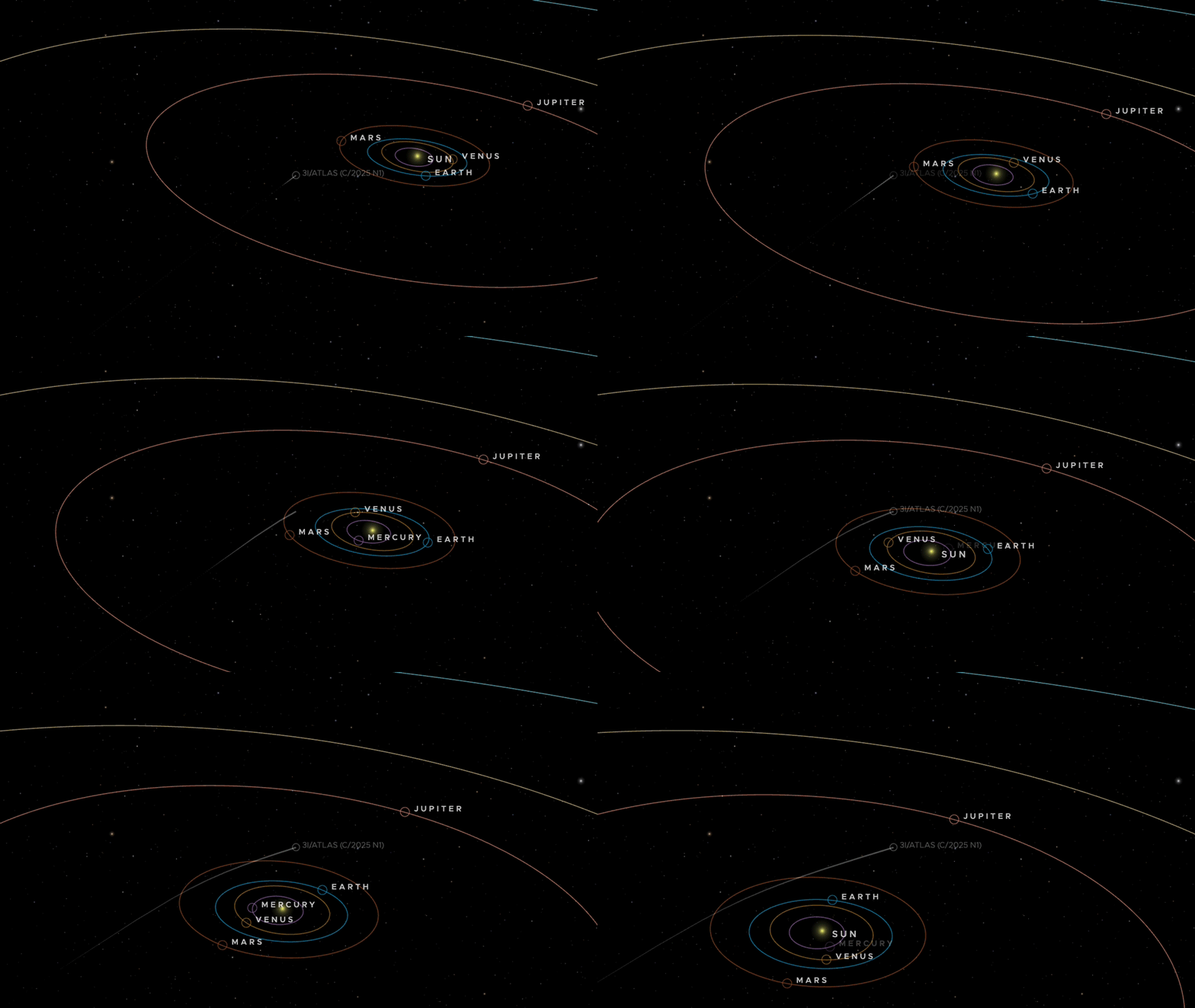
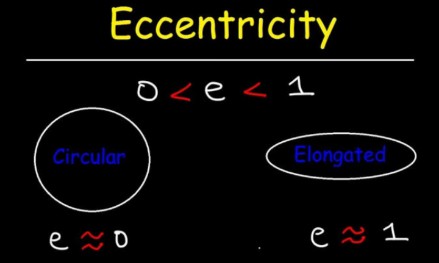
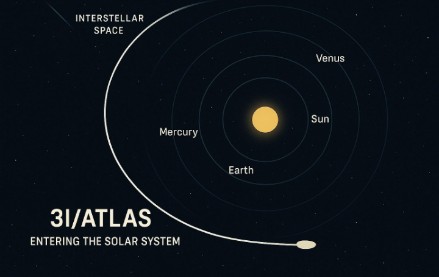
Unlike planets and periodic comets that remain gravitationally tied to the Sun, 3I/ATLAS follows a one-time passage through our Solar System. Its motion forms a hyperbolic orbit, indicating that its total energy exceeds the Sun's gravitational binding energy.
- Orbit Type: Hyperbolic
- Origin: Outside Solar System
- Exit: Return to Interstellar Space
This trajectory allows astronomers to reconstruct its incoming direction and potentially estimate the region of the Milky Way where it may have formed. Example: A normal comet behaves like a boomerang and eventually returns, while an interstellar object behaves more like an arrow passing straight through.
Scientific Observation
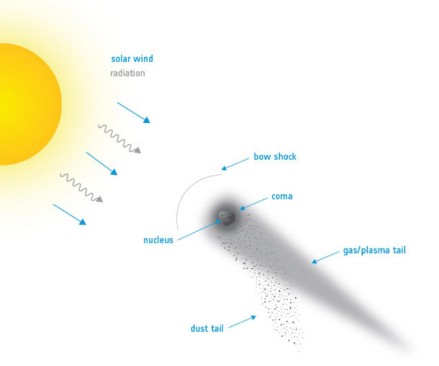
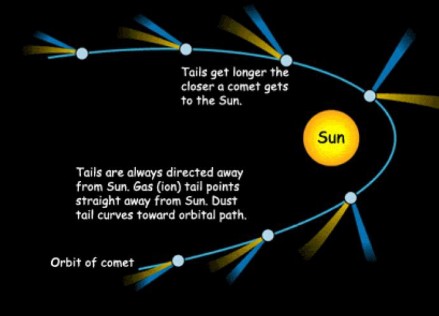
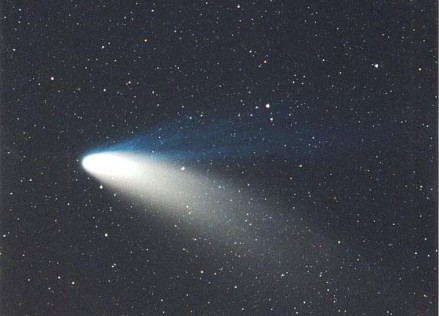
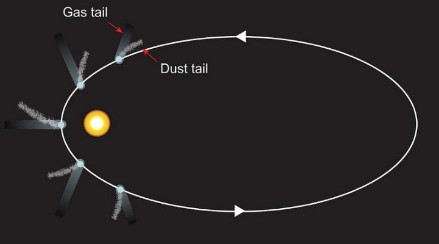
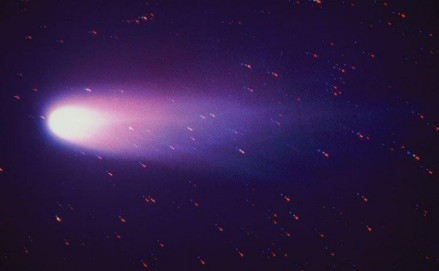
Astronomers around the world continue monitoring 3I/ATLAS using optical telescopes, infrared observations, and spectral analysis techniques. These observations provide information about brightness variation, rotation, possible outgassing, and thermal properties.
Because interstellar objects are extremely rare, every observation contributes valuable information to understanding the chemical diversity of planetary systems across the galaxy. If gas emissions or dust production are detected, scientists can estimate internal composition and compare it with known Solar System objects.
Scientific Importance
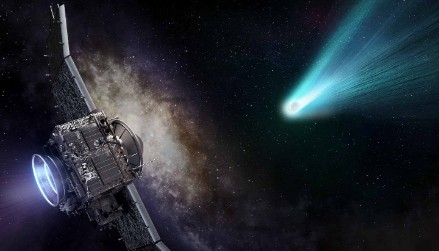
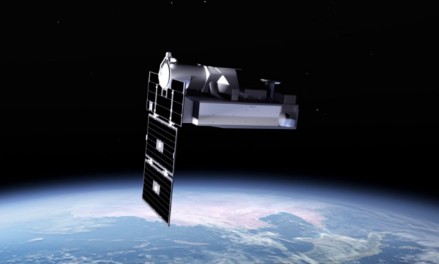
Interstellar visitors represent one of astronomy’s most valuable natural experiments because they carry material formed around completely different stars. Unlike space probes, these objects arrive naturally and provide direct opportunities for scientific analysis without interstellar travel.
Why 3I/ATLAS Matters
- Third confirmed interstellar visitor
- Provides insight into
Extrasolar Planetary Formation
The process by which planets, moons, asteroids, and other celestial bodies form around stars outside our Solar System through the accumulation of gas and dust inside protoplanetary disks. - Helps compare Solar System chemistry with distant stellar environments
- Improves understanding of object evolution across the Milky Way
- Supports development of future interstellar observation missions