
Celestial Gallery
Betelgeuse: A Red Supergiant Approaching Core Collapse
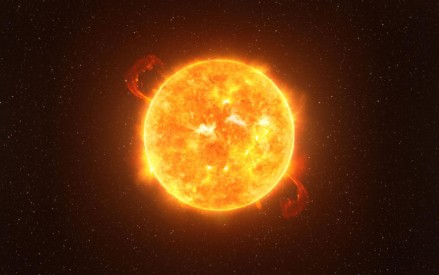
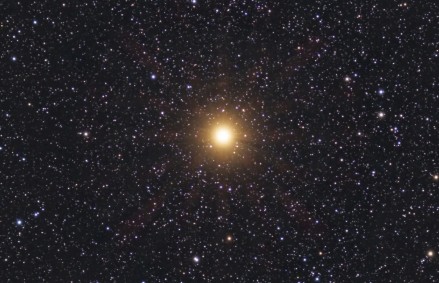
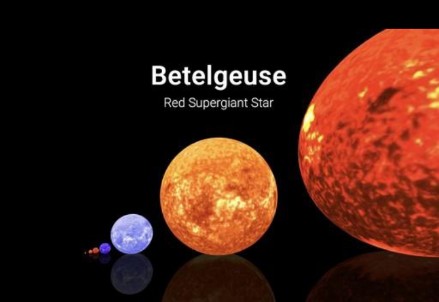
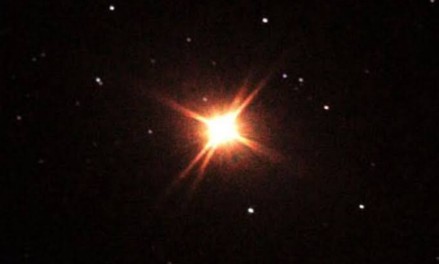
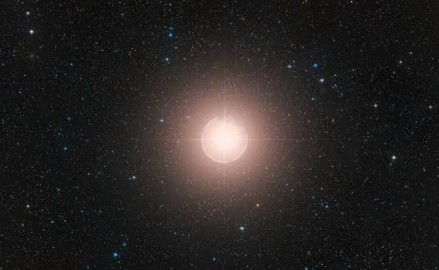
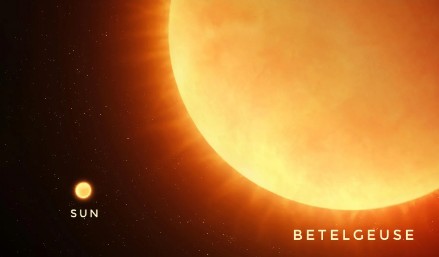
Betelgeuse is a red supergiant star of spectral class M1–M2, located approximately 500–700 light-years away in the constellation Orion. It is among the largest stars observable with the naked eye.
With a surface temperature of approximately 3500 K, Betelgeuse emits predominantly red-orange light. Its extended atmosphere and unstable outer layers make it a key laboratory for studying late-stage stellar evolution.
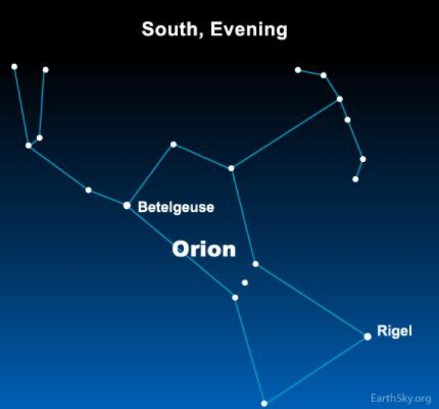
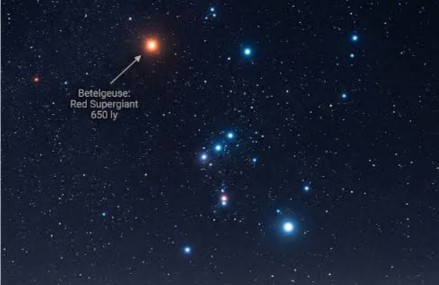
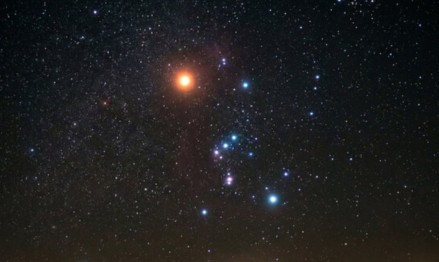
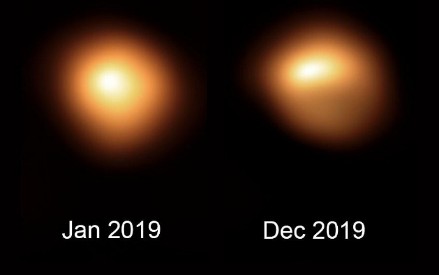
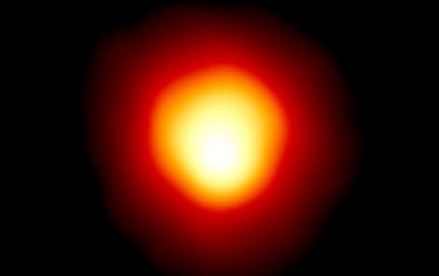
Betelgeuse has been recognized since ancient times as one of the brightest stars in the night sky. Modern interferometric observations allowed astronomers to directly resolve surface features and brightness variations across the star.
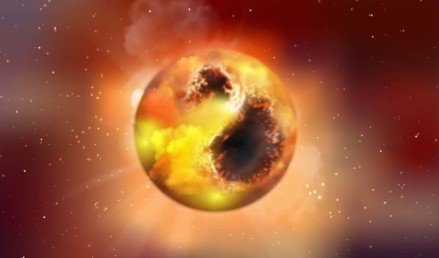
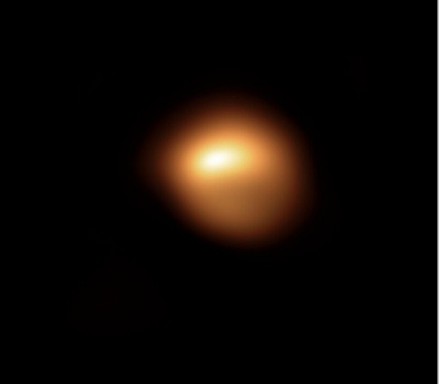
The famous 2019 Great Dimming event provided evidence of surface cooling and large-scale dust ejection, offering direct insight into convection and mass-loss mechanisms in evolved stars.
Stellar Structure and Fusion
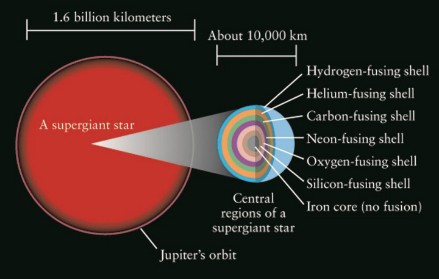
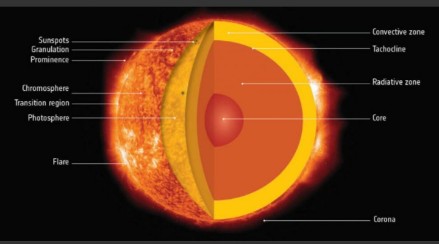
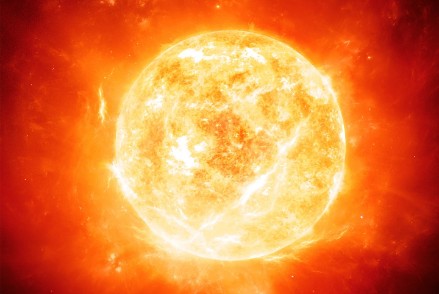
Betelgeuse has exhausted hydrogen fusion in its core and now undergoes shell fusion, where heavier elements fuse in concentric layers surrounding an increasingly dense core.
- Core: evolving toward iron accumulation
- Shell fusion: helium, carbon, and heavier elements
- Envelope: extended convective atmosphere
- Photosphere: cool reddish visible surface
- Outer atmosphere: unstable plasma and dust formation
This layered structure is characteristic of massive stars approaching gravitational core collapse.
Mass Loss and Variability
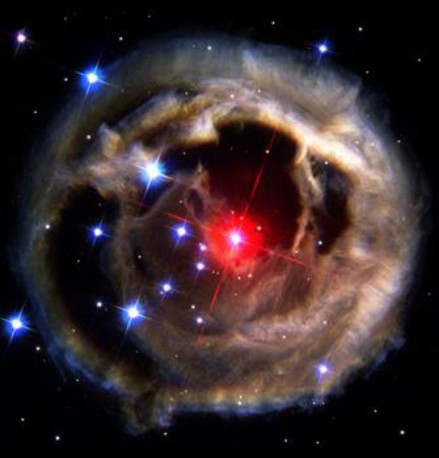
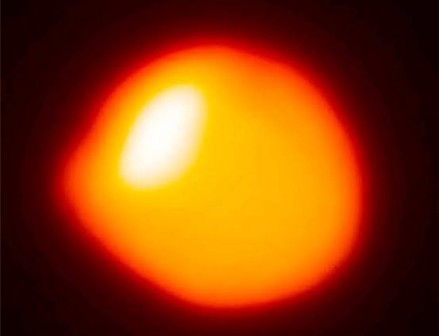

Betelgeuse continuously ejects material through intense stellar winds, creating a surrounding envelope of gas and dust.
Large convective cells and pulsations cause irregular brightness variations. Dust clouds produced during ejection events can temporarily obscure visible light.
The 2019 dimming event demonstrated how stellar surface dynamics and dust formation can dramatically alter observed luminosity.
Future Supernova Evolution
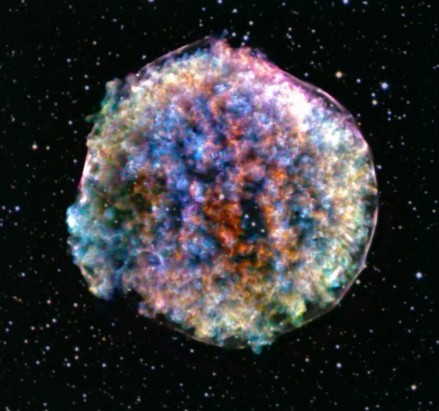
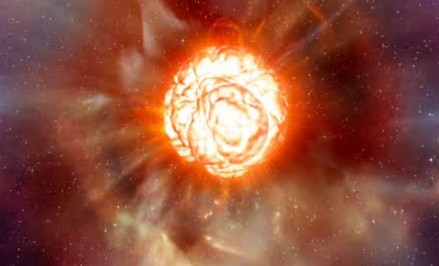
Betelgeuse is expected to eventually undergo core-collapse supernova evolution when nuclear fusion can no longer support the core against gravitational compression.
The collapse will produce a Type II supernova, ejecting outer layers into interstellar space while the core likely forms a neutron star.
Although close on astronomical timescales, this event may still occur tens of thousands of years in the future.
Surface and Spectral Properties
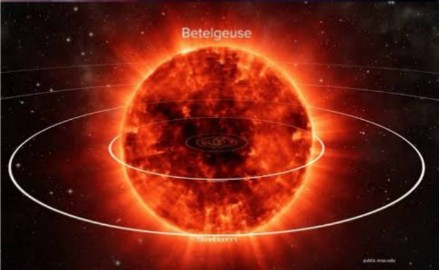
Betelgeuse exhibits strong molecular absorption bands such as TiO (Titanium Oxide), characteristic of cool stellar atmospheres.
Its visible surface is highly irregular and dominated by giant convection cells spanning substantial fractions of the stellar radius.
Historical and Scientific Impact
- Direct imaging of a stellar surface beyond the Sun
- Major evidence for late-stage stellar evolution
- Insights into stellar winds and dust formation
- Prototype candidate for future supernova studies
- Important benchmark for massive star evolution models