
Celestial Gallery
Halley’s Comet: A Periodic Visitor and a Probe of the Early Solar System
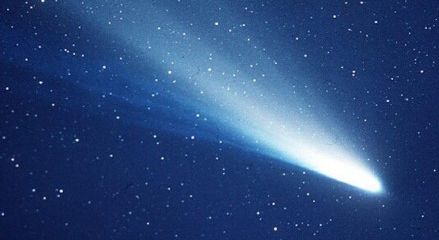
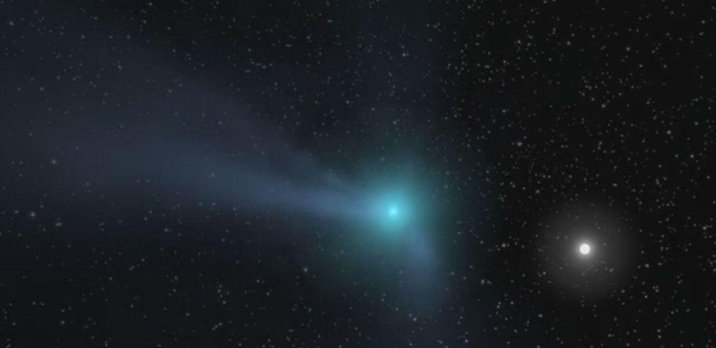
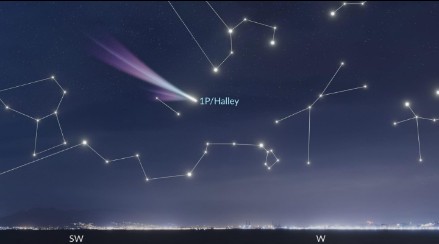
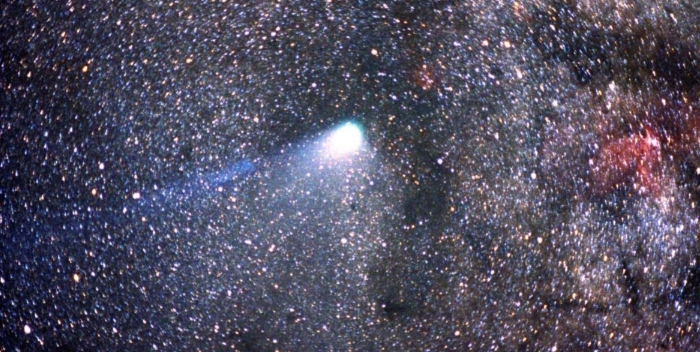
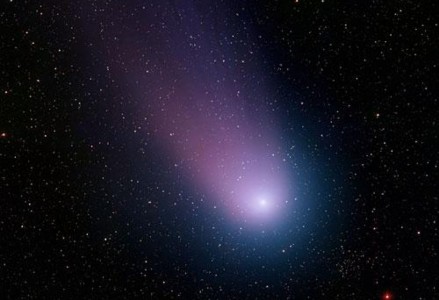
Halley’s Comet is a short-period comet that orbits the Sun approximately every 76 years. It originates from the Kuiper Belt and is one of the most well-known comets visible to the naked eye.
Composed of ice, dust, and rocky material, it is often described as a “dirty snowball.” When it approaches the Sun, solar radiation causes sublimation, forming a bright coma and tail.
Discovery and Historical Records
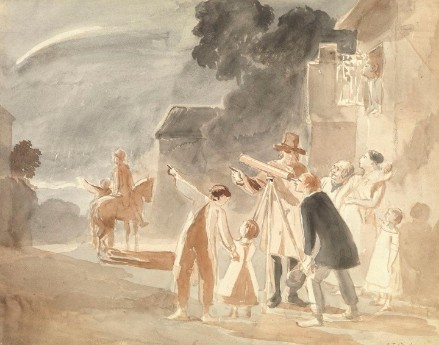
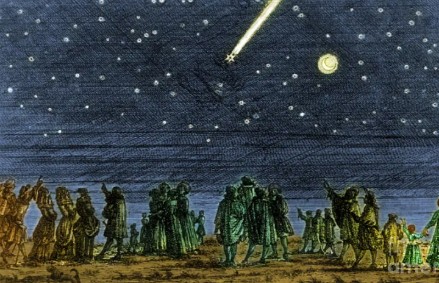
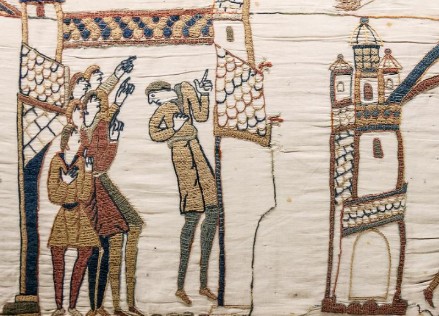

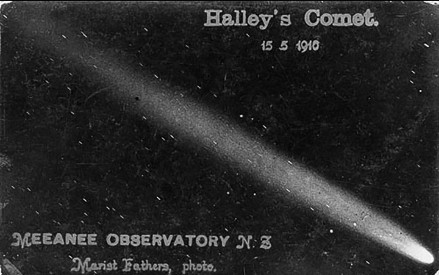
Halley’s Comet has been recorded since antiquity, including observations in ancient Chinese and Babylonian texts. In 1705, Edmond Halley used Newtonian mechanics to predict its periodic return.
Its successful prediction in 1758 marked the first demonstration that comets are bound objects of the Solar System.
Structure of a Comet
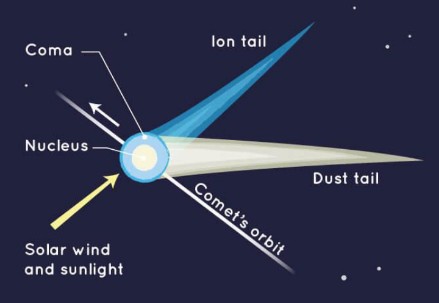
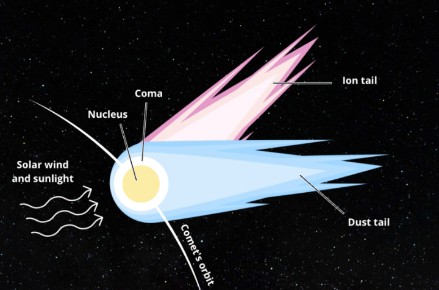
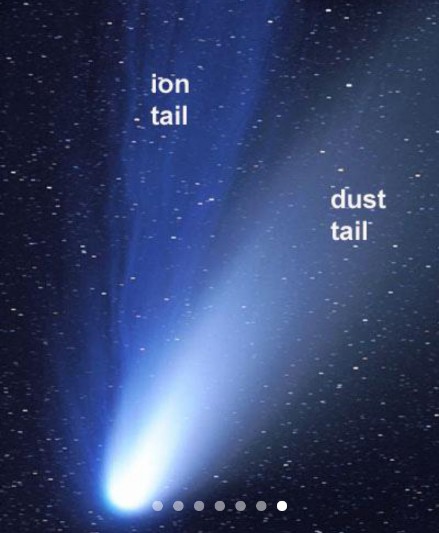
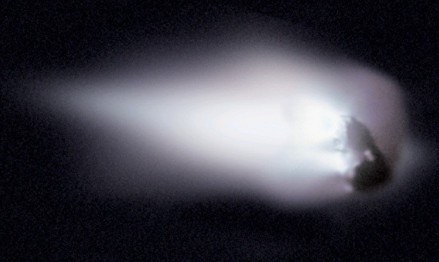
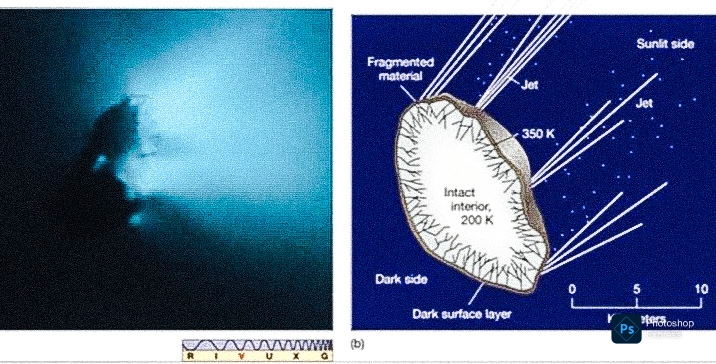
A comet consists of several distinct components:
- Nucleus: solid core of ice and dust (~15 km for Halley)
- Coma: diffuse cloud formed by sublimated gases
- Ion tail: charged particles pushed by solar wind
- Dust tail: curved trail of heavier particles
These features become prominent as the comet approaches the Sun.
Orbital Dynamics
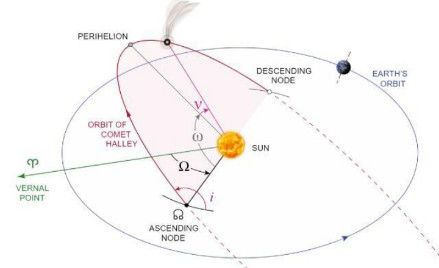
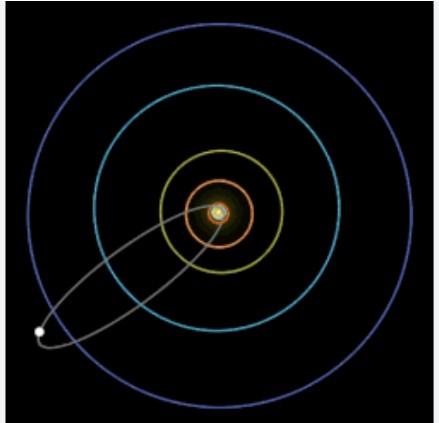
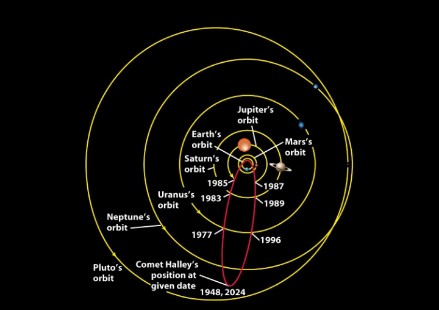
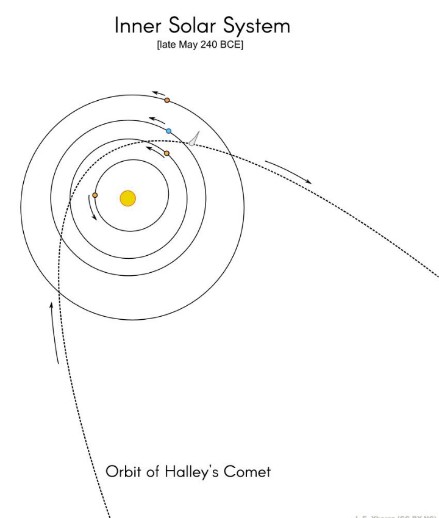
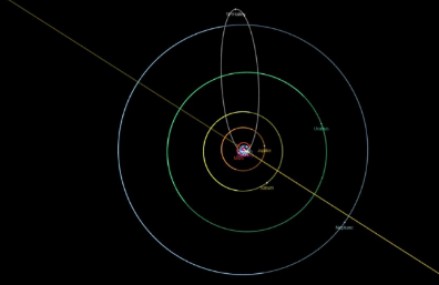
Halley’s Comet follows a highly elliptical orbit that extends beyond Neptune. It is unusual because it has a retrograde orbit, moving opposite to the direction of most planets.
- Orbital period: ~76 years
- Perihelion: ~0.6 AU
- Aphelion: ~35 AU
Its orbit is influenced by gravitational interactions with planets, particularly Jupiter.
Comet Activity and Tail Formation
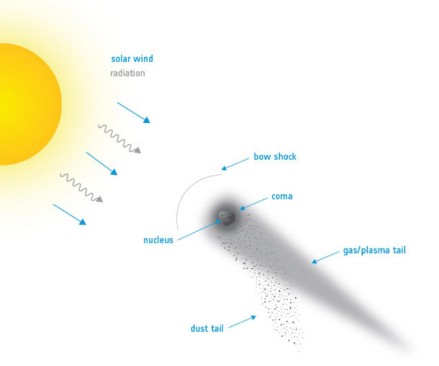
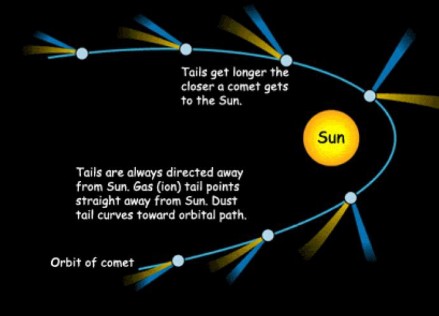
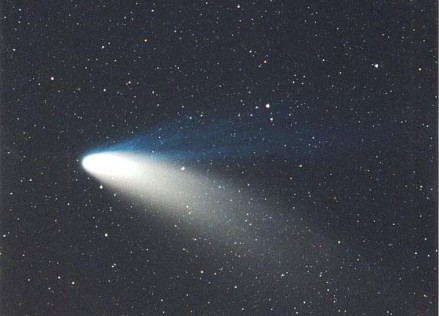
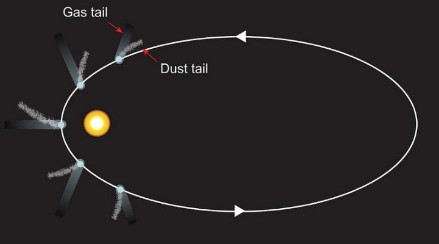
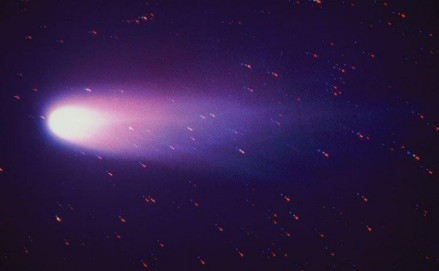
As Halley’s Comet approaches the Sun, increasing temperature causes volatile materials to sublimate, ejecting gas and dust into space.
The ion tail always points away from the Sun due to the solar wind, while the dust tail follows a curved path due to orbital motion.
Scientific Importance
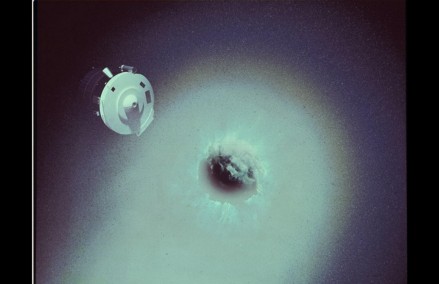
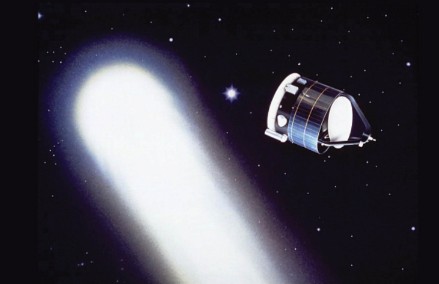
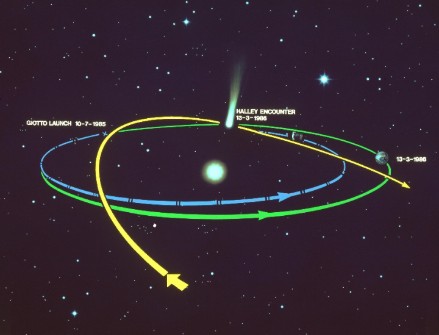
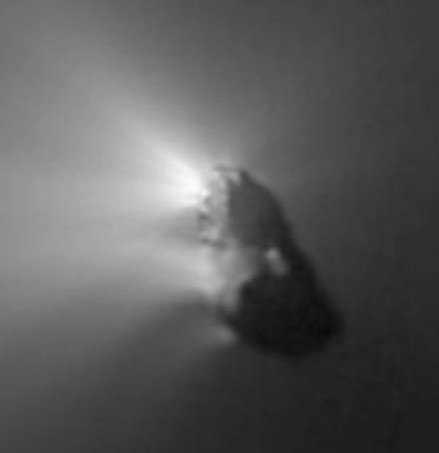
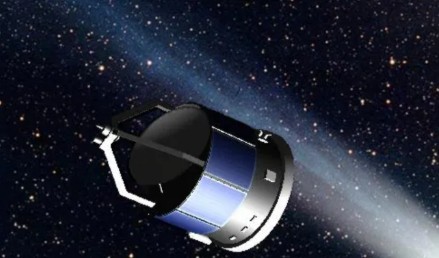
Space missions such as ESA’s Giotto probe provided direct images of Halley’s nucleus, revealing a dark, irregular surface.
Historical and Scientific Impact
- First comet with predicted periodic return
- Evidence for Solar System formation processes
- Direct spacecraft exploration of a comet nucleus
- Insight into volatile materials in early planetary systems