
Celestial Gallery
Sirius: Binary Dynamics and the Discovery of Degenerate Stellar Matter
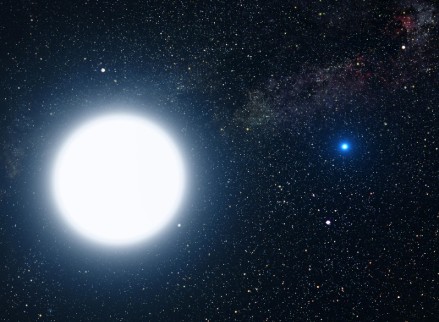
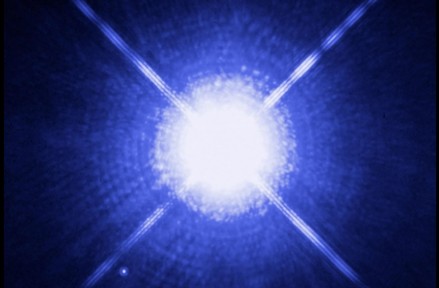
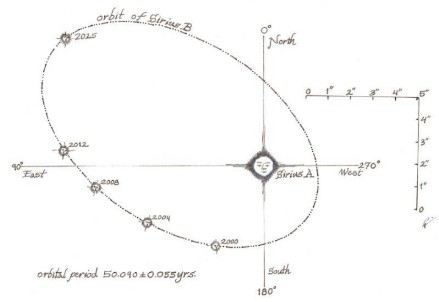
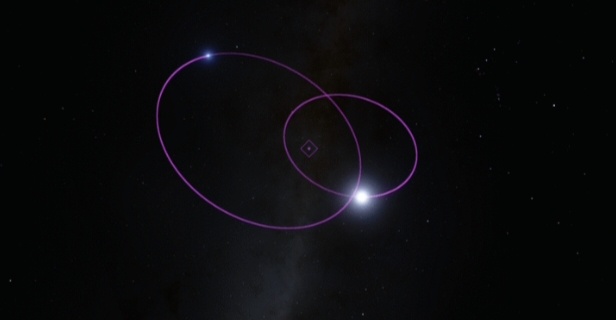
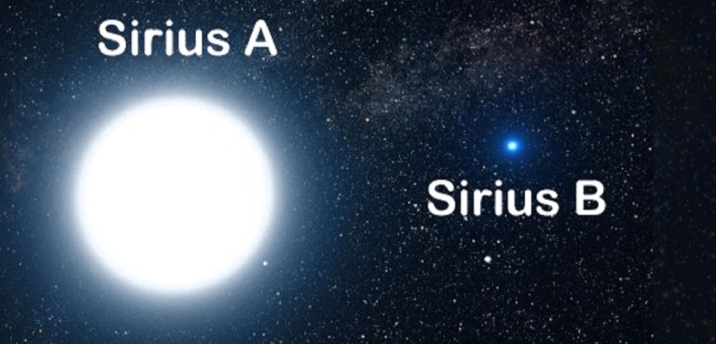
Sirius, the brightest stellar system visible from Earth, shines with an apparent magnitude of −1.46, making it brighter than every other night star in the sky. Located approximately 8.6 light-years away in the constellation Canis Major , Sirius has fascinated civilizations for thousands of years due to its intense white-blue brilliance.
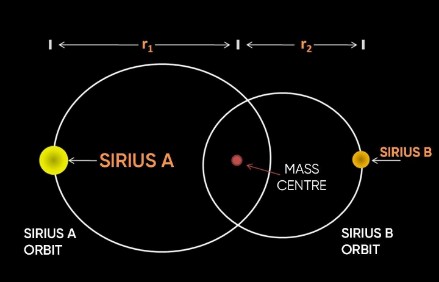
To the naked eye, Sirius appears as a single dazzling star. In reality, it is a binary stellar system composed of two very different objects: Sirius A, a hot luminous main-sequence star, and Sirius B, a collapsed stellar remnant known as a white dwarf .
The contrast between these two stars makes Sirius one of the most scientifically important systems in astronomy. It allows astronomers to directly study stellar mass, orbital motion, gravity, quantum mechanics, and the long-term evolution of stars.
Because Sirius is relatively close to Earth, telescopes can observe its orbital motion with exceptional precision. This makes it a natural laboratory for testing theories of astrophysics that describe how stars are born, evolve, and ultimately die.
Physical Characteristics of Sirius
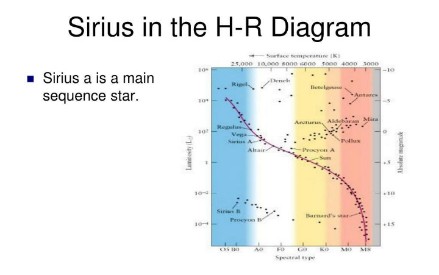
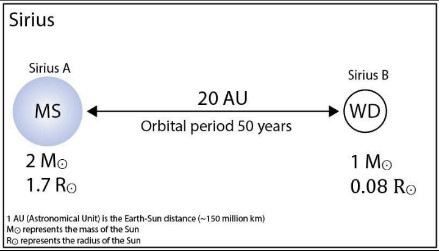
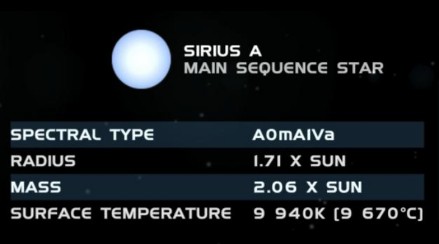
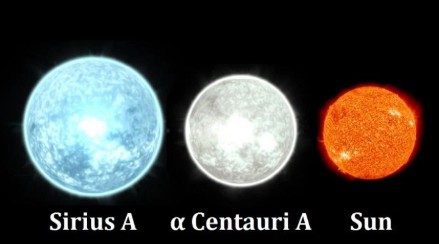
Sirius A is nearly twice as massive as the Sun and radiates approximately 25 times more luminosity. Its intense brightness results from both its high surface temperature and relatively close distance to Earth.
The star emits a strong white-blue glow because its surface temperature approaches 9900 Kelvin, much hotter than the Sun’s ~5800 K photosphere.
- Distance from Earth: 8.6 light-years
- Spectral Type: A1V
- Surface Temperature: ~9900 K
- Luminosity: ~25 L☉
- Mass: ~2.02 M☉
Because of these characteristics, Sirius is one of the easiest stars to observe and study using both amateur and professional telescopes.
Origin
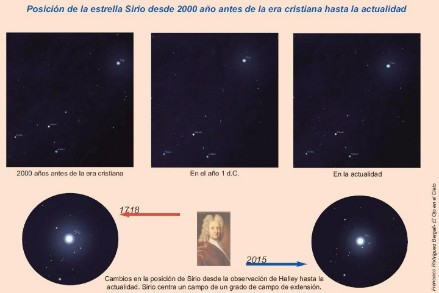
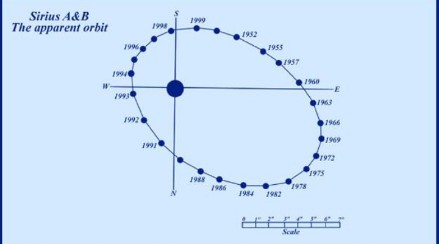
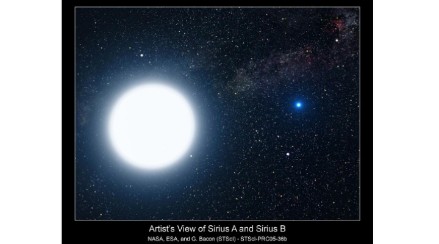
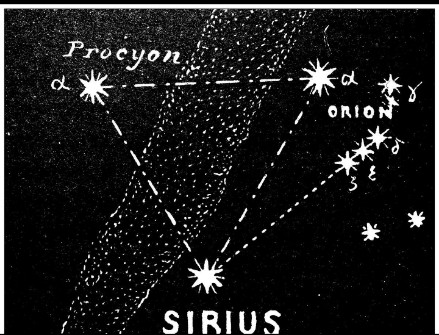

Sirius has been known since antiquity as the brightest star in the sky. In 1844, Friedrich Bessel inferred the presence of an unseen companion through irregularities in Sirius A’s motion. In 1862, Alvan Graham Clark directly observed this companion, now known as Sirius B.
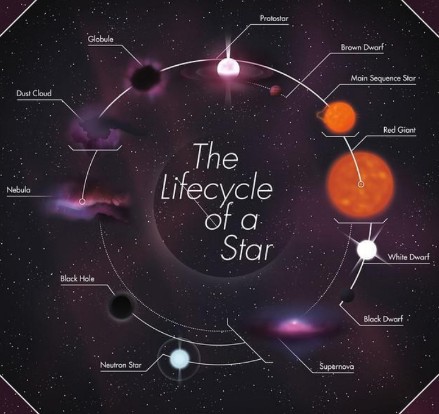
In the early 20th century, spectroscopic analysis revealed that Sirius B is a white dwarf, marking the first confirmed detection of a degenerate stellar remnant. This discovery significantly advanced our understanding of stellar evolution.
Extreme Density and Degenerate Matter
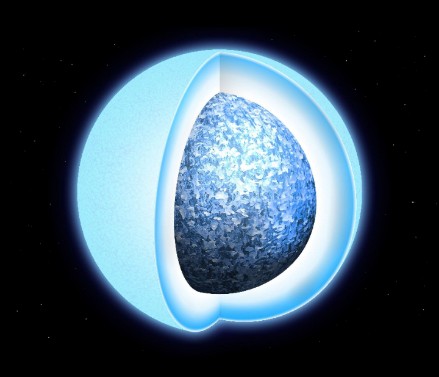
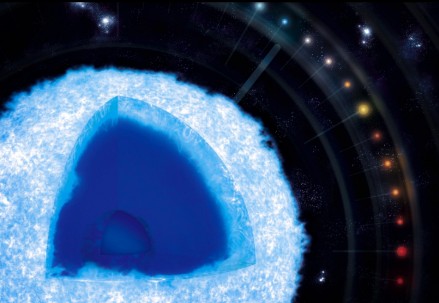
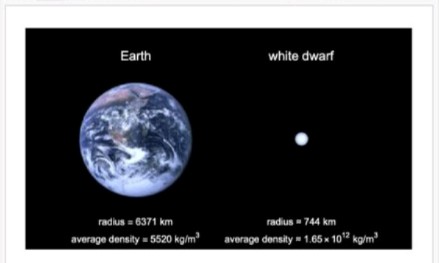
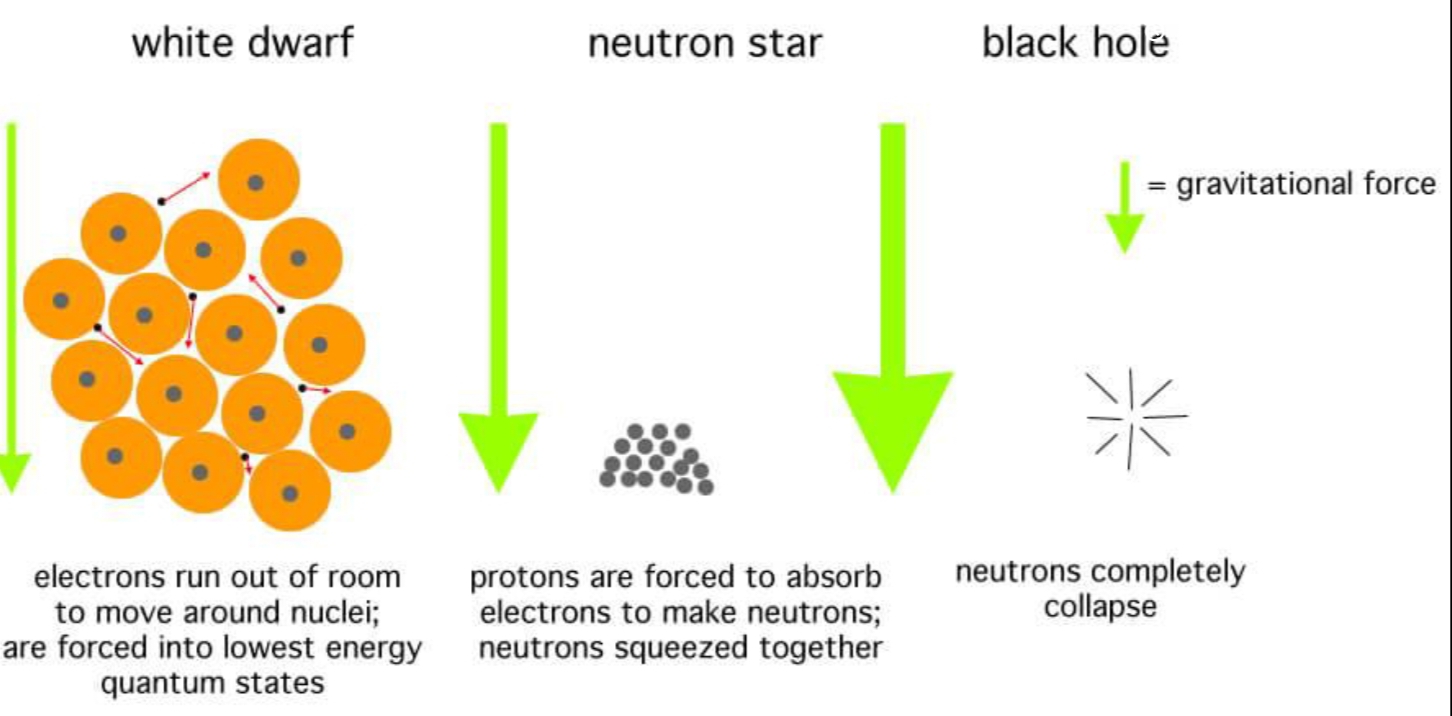
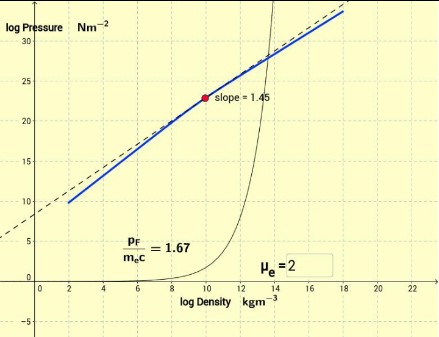
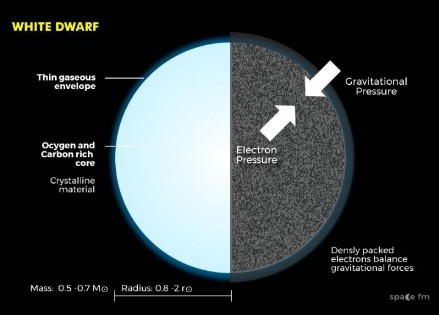
Sirius B contains nearly the same mass as the Sun compressed into a sphere roughly the size of Earth. This produces an incredibly high density exceeding 1 million grams per cubic centimeter.
Under such extreme compression, ordinary atomic structure cannot exist normally. Electrons are forced into highly compact quantum states, forming a unique state of matter called degenerate matter.
The pressure resisting collapse does not arise from heat but from quantum mechanical restrictions described by the Pauli principle.
Sirius B therefore acts as a bridge between astrophysics and quantum physics.
Relativity and Gravitational Redshift
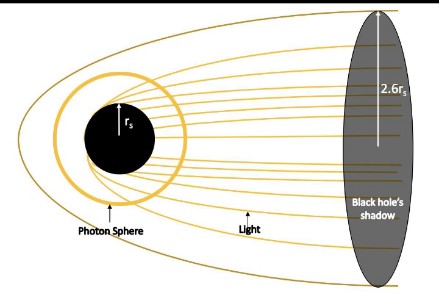
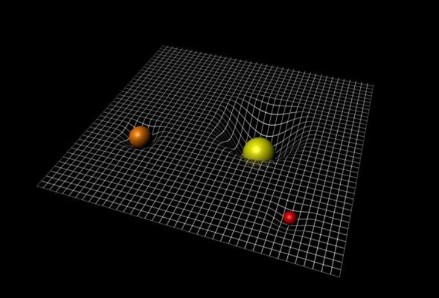
The immense gravity of Sirius B affects the behavior of light escaping from its surface. This effect, known as gravitational redshift, was predicted by Einstein’s theory of general relativity .
Light emitted from Sirius B loses energy while escaping its intense gravitational field, causing its wavelength to shift toward the red region of the electromagnetic spectrum.
Measurements of Sirius B provided one of the earliest confirmations of relativistic gravity in stars.
Historical and Scientific Impact
- First clear identification of a white dwarf
- Confirmed existence of electron degeneracy pressure
- Provided direct validation of quantum mechanics in astrophysics
- Established binary systems as tools for measuring stellar mass